한국 플레이어를 위한 카지노 정보 안내

한국에서 온라인 카지노를 이용할 때 가장 먼저 확인할 부분은 본인 인증 절차와 보안입니다. 복잡한 절차 없이 이용할 수 있는 kyc 인증 없는 카지노를 찾는 사용자도 늘고 있으며, 첫 가입 부담을 낮춘 꽁머니 카지노와 무입금 보너스 카지노 정보도 함께 살펴보는 것이 좋습니다. 특히 뉴헤븐카지노처럼 안정적인 운영 이력을 갖춘 곳은 초보자에게도 비교적 무난한 선택지로 평가됩니다.

실시간 딜러와의 긴장감을 원한다면 라이브카지노를, 다양한 테마와 빠른 화면 전환을 선호한다면 레고카지노와 루피카지노를 눈여겨볼 수 있습니다. 슬롯을 부담 없이 즐기고 싶은 분은 무료슬롯게임을 먼저 체험한 뒤 자신에게 맞는 게임 방식을 고르는 편이 좋습니다.

결국 중요한 것은 검증된 업체를 고르는 일입니다. 메이저 바카라사이트의 기준과 바카라사이트 추천 정보를 비교해 보면 보다 안전하게 사이트를 선택할 수 있습니다.

한국 플레이어를 위한 카지노 및 슬롯 정보

국내 이용자를 기준으로 온라인 카지노를 고를 때는 결제 방식과 출금 속도, 보안 정책을 함께 살펴보는 것이 중요합니다. 특히 디지털 자산을 선호한다면 비트코인 카지노의 입출금 조건을 확인하고, 빠른 정산이 필요한 경우 빠른 인출 카지노의 처리 시간을 비교해 보세요. 검증된 운영 이력을 가진 솔카지노와 아벤카지노, 얀카지노 같은 브랜드는 이용 전 약관과 보너스 조건을 꼼꼼히 확인하는 것이 좋습니다.

슬롯 콘텐츠를 즐긴다면 슬롯 사이트 추천 정보를 참고해 게임 다양성과 배당 구조를 살펴보고, 실제 플레이 전에는 슬롯게임의 규칙과 보너스 기능을 익혀 두면 도움이 됩니다. 모바일 환경에서 편하게 접속할 수 있는 슬롯사이트를 선택할 때도 라이선스와 보안 인증 여부를 우선 확인하세요. 바카라를 처음 시작한다면 신규 바카라사이트의 테이블 한도와 규정을 비교하고, 무엇보다 안전 카지노사이트인지 검증된 곳에서 책임감 있게 이용하는 것이 중요합니다.

한국 플레이어를 위한 온라인 카지노 정보 가이드

온라인 카지노를 처음 찾는 이용자라면 무엇보다 안전한 플랫폼을 고르는 일이 중요합니다. 최근에는 온라인카지노 시장이 빠르게 확장되면서 선택지가 많아졌지만, 그만큼 사이트별 약관과 보안 수준을 꼼꼼히 비교해야 합니다. 신뢰할 수 있는 온라인카지노 순위 정보를 참고하면 라이선스, 입출금 처리 속도, 고객 응대 품질을 한눈에 파악할 수 있습니다. 또한 카지노사이트 모음 페이지에서는 국내 이용자에게 익숙한 인터페이스와 원화 결제를 지원하는 곳을 카테고리별로 살펴볼 수 있습니다.

게임 종류별로 접근성을 높이고 싶다면 온라인슬롯 콘텐츠를 먼저 확인해 보세요. 슬롯은 규칙이 단순해 입문자가 부담 없이 즐기기 좋지만, RTP와 변동성 정보를 미리 확인하는 것이 중요합니다. 다양한 카지노게임사이트를 비교하다 보면 자신의 플레이 스타일에 맞는 테이블 게임이나 라이브 딜러 콘텐츠를 찾기 쉬워집니다. 특유의 테마와 보너스 구성으로 관심을 모으는 짱구카지노 같은 브랜드도 참고 목록에 올려 두면 선택의 폭이 넓어집니다.

가입 전에는 카지노 가입 보너스 조건을 반드시 읽어보는 것이 좋습니다. 첫 입금 보너스나 무료 스핀은 매력적이지만, 롤오버 요건과 출금 한도를 함께 확인해야 예상치 못한 불이익을 피할 수 있습니다. 이용자 후기와 운영 이력을 바탕으로 한 카지노 추천 정보를 활용하고, 연령 인증 없는 카지노사이트 관련 안내도 참고해 본인에게 맞는 가입 절차를 확인해 보세요. 마지막으로 카지노 이용 시에는 책임 있는 플레이를 위해 본인의 한도를 정하고 즐기는 습관이 필요합니다.

한국에서 안전하게 즐기는 온라인 카지노 가이드

최근 국내에서도 온라인 카지노를 찾는 이용자가 늘면서, 신뢰할 수 있는 카지노사이트 추천 정보의 중요성이 커지고 있습니다. 검증된 카지노사이트를 선택하려면 운영 기간, 라이선스, 입출금 처리 속도 등을 꼼꼼히 확인해야 하며, 특히 암호화폐 기반의 코인카지노는 익명성과 빠른 거래로 주목받고 있습니다. 또한 텐카지노처럼 다양한 프로모션을 제공하는 곳도 있으니 자신의 플레이 스타일에 맞는 플랫폼을 고르는 것이 좋습니다.

해외 서버를 기반으로 운영되는 해외 카지노사이트는 국내 사이트보다 게임 종류가 다양하고 한도가 높은 경우가 많습니다. 그중 헤라카지노는 안정적인 운영으로 알려져 있으며, 홈카지노는 모바일 접근성이 뛰어나 언제 어디서나 편하게 이용할 수 있습니다. 마지막으로 프리카지노와 같이 무료 체험 혜택을 제공하는 사이트를 활용하면 초보자도 부담 없이 시작할 수 있습니다.

Every industry is full of them. The obvious one that comes to mind is the dodgy car salesman. The thing is, it doesn’t stop us from buying a car. We still need one!

The solar industry, in its infancy, attracted more than its fair share of these vultures. They swarmed like flies to dog shit. Unfortunately, this caused a lot of harm to the industry and made a high percentage of people sceptical for no good reason.

After doing solar installs for too many years, I once applied for a solar sales job. I started with two days ‘training’. Suffice to say I didn’t take the job because the product wasn’t really mentioned too much. The ‘training’ was all about high-pressure sales techniques.

Thankfully there is only a small percentage of companies that operate like this. SolarQuotes has a built-in bullshit detector that picks them up a mile away. All the installers have been vigorously vetted, so you don’t have to worry.

Greenwashing is pretending your product is greener than it is. Exhibit A: the current ‘renewable gas‘ marketing campaign/disinformation.

Brownwashing is claiming a green product is not green at all. The ‘proof’ is often made to sound legitimate by combining hopelessly out-of-date published research with outrageously pessimistic assumptions.

For example, 20 years ago, it took a lot of energy to make a very inefficient solar panel. If you then model that panel on a roof in northern Europe, you can attempt to convince people that ‘solar panels will never generate the energy used to make them!’ and ‘solar panels will never pay for themselves financially’. Whereas in 2022, up-to-date data indicates a system in Australia will fully repay its energy debt on a roof in Australia in under 12 months.

Brownwashing is the scourge of the solar industry and the environmental movement. No one likes lies, whether it’s the result of malicious lies, out-of-date or incompetent research or all three. But it shouldn’t put you off. Solar power is a proven technology that, after years in the shadows, is now mainstream. It makes economic and environmental sense no matter which way you cut it.

SolarQuotes has spent the last thirteen years cutting through the brownwashing (and some over-eager greenwashing) and seeking the truth.

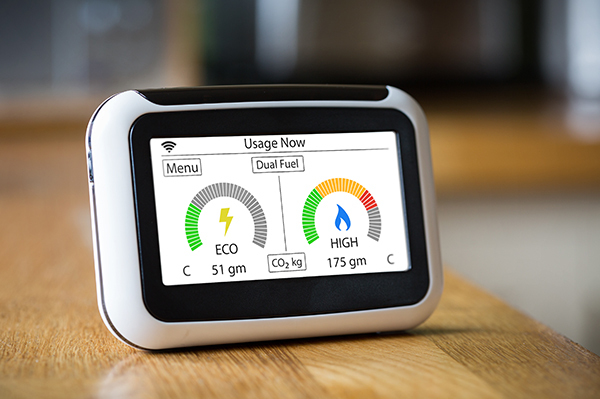
 You don’t ‘need’ a consumption monitor in order for your solar power system to work. It will produce exactly the same amount of power with or without one, but that power may not be put to the best use. It’s kind of like driving blind.

You’ll save more money in the long run if you have a consumption monitor. Your inverter provides only basic data of power produced by the system – not your consumption.

A consumption monitor fills in the blanks by comparing solar power production with your electricity consumption. This tool goes a long way to solving the conundrum of quantifying your power usage, leading to better economic outcomes for you.

Plus, it may come with a fancy app that you can play with and show off.

Assuming that you and your installer are on the same page as far as deciding what the solar power system installation will look like is a great way to guarantee that you’ll end up in a bad mood.

Imagine coming home from a hard day’s work to find your new solar panels on the wrong roof or the inverter hanging on a wall right where its high voltage DC cables are guaranteed to get chewed by your Dog.

Here are two reasons you shouldn’t wait until the day of the installation to have a casual conversation about this:

  1. You’ll be under pressure to make a decision you may later regret.
  2. You’re locked in and committed, having paid a deposit and signed a contract.

Your installer may have different priorities when it comes to the location of your solar panels. He/she may be thinking about harvesting the best possible yield from the sun. That’s good. They may also prefer a location that’s easiest and most economical for them to do the job – maybe not so good.

On top of your list might be aesthetics. Maybe you don’t want these things flashed all over the neighbourhood. Although you might have a different opinion, symmetrical blocks of even-numbered panels are the best-looking solar arrays.

Concerning inverter location, there’s one major point of note: It should be located out of direct sunlight.

Your installer knows this, but don’t assume it will happen. Once again, ease of installation is usually high on his list of priorities.

You know your property better than they do, so a location they suggest may be impractical for your everyday life. They are, however, bound by a set of rules (actually laws) that dictate what they can or cannot do.

Another thing to think about is whether there will be cables or conduits running down the outside of your walls or in the wall cavity. The location chosen may dictate this.

Make sure you have this conversation in person (preferably with the installer, not the salesman) at your property before you sign up. Words sometimes mean different things to different people, so get them to provide you with a diagram prior to install day.

Knowing your energy consumption can be tricky. Using online tools for estimating likely savings from a solar power system is the way to go. One of such tools is found here solar calculator.

Enter your own figures, then compare the results against any numbers you’ve been given for a solar quote. Bear in mind it’s only an estimate. It will only ever be an estimate, because there’s no way of knowing 100% due to the multitude of variables that feed into the equation. But don’t let that bother you.

All you need is to try get your head around your own energy consumption habits. You’re probably aware that if you have solar power, it makes sense to use high-powered appliances when the sun is shining, so you draw from the solar panels and not the grid.

But what does that mean in real terms? How do we quantify high power or power usage in general? It’s hard to measure unless you spend thousands of dollars on data loggers and consumption meters for every circuit in your house. It’s not going to happen.

A simplified explanation of power usage

You’re trying to do the right thing by using what you think are high-powered appliances in the middle of the day when the sun is shining brightly on your solar panels. Your solar panels are now producing, say, 4 kW of power. You put a chicken in the oven to roast. Your oven is now drawing 3kW of power. Great. Your new solar power system is providing 100% power to the oven (3kW) and exporting 1kW to the grid. Pity about the crappy feed-in tariff you’re getting.

You’ve been working pretty hard, so you put on the kettle for a coffee. The kettle draws 2kW of power. The 1kW that was going from the solar to the grid is now diverted to your kettle instead; and it needs another 1kW, so imports it from the grid to make up the shortfall. It’s like an accounting balance sheet.

Load:
Oven (3kW) + kettle (2kW) = 5kW.

Generator:
Solar (4kW) + grid (1kW) = 5kW

So is switching on the kettle to be avoided? No! You deserve that cup of coffee, and although the kettle will cause 1 kW of imports from the grid, it will only be for a couple of minutes. That means your coffee-related grid energy usage will be about one-thirtieth of a kilowatt hour (2 minutes is 1/30th of an hour, so 1/30 x 1kW = 1/30th of a kWh). About 1 cent’s worth.

This is important to understand if you’re hoping to install solar panels to save money. Your energy consumption habits will help you to achieve the financial returns you expect from your solar power system and also put into perspective where to focus your efforts (tip – it’s not the kettle).

As experts in solar repair and maintenance, we’ve been able to see several shades of a bad solar panel installation project. With this sequel, we seek to help educate future solar energy customers in order to avoid the top 7 common mistakes they can make when buying solar panels for their home.

Most new solar energy customers love the savings that comes with the installation, but find the process of getting solar a challenge. Adding solar panels to your roof can be a large financial commitment, and you should expect the best quality work for your home. By avoiding the top 7 common mistakes when buying solar, you can avoid having a poor solar installation experience. Avoiding these mistakes will help you reap more benefits from your solar energy system.

Mistake #1 Not getting a basic education about solar.
it won’t hurt to do a bit of research, irrespective of what your motivation is for thinking about getting solar power. Even though it can be overwhelming and difficult to know where to start, the internet offers a lot of information about every subject known to man.

Most people start with trying to assimilate so much information at once resulting in them giving up due to information overload. The problem with this approach is the lack of structure. No meaningful way of getting from point A to point B.

What you need is a ‘solar for beginners’ tutorial of sorts. A beginners guide is the best place to start your solar energy education.

Even if you don’t have enough time to get through it in one sitting. Take your time before you move on to the next solar installation subject area. In the words of a once famous Prime Minister we’d all rather forget about – “It’s not a race”.

We are pleased to announce the launch of our newly designed website.  Our goal with this new website was to create a more personalized, faster, easier to navigate, and more user-friendly website for 3KM Energy. We have created a clean, modern design and improved site navigation to help users find precisely what they’re looking for and better represent who we are as a company.

We will be constantly updating our content with helpful information, completed projects, articles, blogs, newsletters, and company announcements in the news section.

We hope you find the new website fresh and modern; For any questions, suggestions, feedback or comments, please E-mail us.

Solar energy is radiant light and heat from the Sun that is harnessed using a range of technologies such as solar power to generate electricity, solar thermal energy (including solar water heating), and solar architecture.

It is an essential source of renewable energy, and its technologies are broadly characterized as either passive solar or active solar depending on how they capture and distribute solar energy or convert it into solar power.

Active solar techniques include the use of photovoltaic systems, concentrated solar power, and solar water heating to harness the energy. Passive solar techniques include orienting a building to the Sun, selecting materials with favorable thermal mass or light-dispersing properties, and designing spaces that naturally circulate air

Which solar technology is best? 

Monocrystalline solar panels are often touted as the most efficient option and are therefore best when installed for larger energy systems in commercial and residential properties. However, panel sizes do vary; therefore, monocrystalline can be used in smaller installations as well.

Photovoltaics

You’re likely most familiar with PV, which is utilized in solar panels. When the sun shines onto a solar panel, energy from the sunlight is absorbed by the PV cells in the panel. This energy creates electrical charges that move in response to an internal electrical field in the cell, causing electricity to flow.

Systems Integration

Solar energy technology doesn’t end with electricity generation by PV or CSP systems. These solar energy systems must be integrated into homes, businesses, and existing electrical grids with varying mixtures of traditional and other renewable energy sources.